

Columbus, Ohio
Home Remodeling Services
Looking to renovate your home or investment property? We offer:
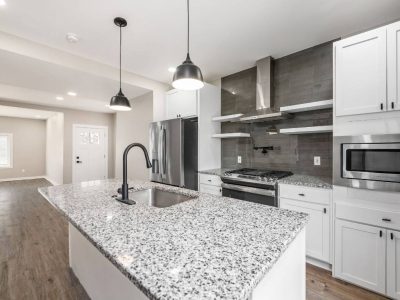
Kitchen Remodeling
Transform your kitchen into a modern, functional space with updated fixtures, custom cabinets, new countertops, and a thoughtfully designed layout tailored to your lifestyle and needs.
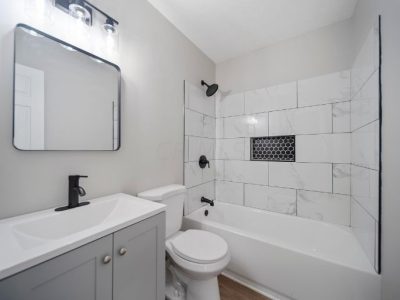
Bathroom Remodeling
We provide expert bathroom remodeling services—from cosmetic updates to light repairs—to improve functionality, refresh outdated finishes, and create a clean, modern space you’ll love.
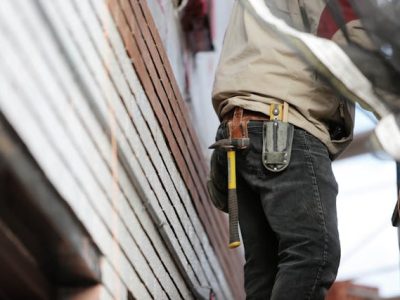
General Handyman Services
From minor repairs and fixture replacements to hot water tank service, door and trim repairs, drywall patching, plumbing and electrical fixes, and full tenant-turn updates, we handle all the essential handyman tasks that keep your property clean, functional, and move-in ready. Whether it’s small touch-ups or quick problem solving, our team ensures your home or rental stays in top condition.

Water Damage Rebuild Services
When water damages your home, the cleanup is only the first step—the real work begins when it’s time to rebuild. At PKI Developments, we specialize exclusively in the construction and reconstruction phase after water mitigation companies have completed the dry-out and removal of damaged materials. Our job is to bring your home back to life with clean, modern, high-quality workmanship that lasts.
Expert renovations, big or small—request your quote from PKI Developments now.
Get A Quote
Project Management From Start To Finish
From cosmetic upgrades to full-scale renovations, PKI Developments brings craftsmanship, communication, and care to every project.
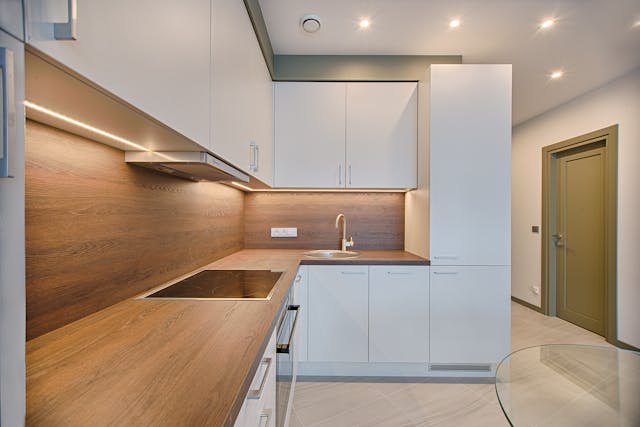
Home Remodeling Services in Columbus, Ohio: What to Know Before You Renovate
Home Remodeling Services Columbus, Ohio cover kitchen and bathroom renovations, general repairs, and water damage rebuilds, with permitting handled through the city’s Department of Building and Zoning Services. Homes inside German Village, Italian Village, or Victorian Village also need approval from a neighborhood-specific historic commission before exterior work can begin. PKI Developments guides homeowners across Columbus, Ohio through the entire process, whichever neighborhood the project happens to be in.
Here’s the thing about researching home remodeling services in Columbus, Ohio: the city is genuinely too big to treat as one market. A brick rowhouse in German Village, a mid-century ranch in Clintonville, and a newer build out near Polaris all come with different quirks, different code considerations, and in some cases, entirely different approval processes before a contractor can even start.
That’s exactly why so much remodeling content online falls flat. It’s written as if Columbus were one uniform suburb, when the reality is closer to dozens of small neighborhoods stitched together under one city government. This guide is written for the actual city, not a simplified version of it.
Columbus Is Really Dozens of Neighborhoods, Not One Housing Market
Ask a contractor who’s only worked in newer subdivisions to remodel a hundred-year-old German Village kitchen, and things tend to go sideways fast. The plumbing is different. The wall construction is different. Even the permitting process can be different depending on which part of the city a home sits in.
Columbus, Ohio spans everything from pre-Civil War brick homes downtown to sprawling new construction near the outer beltway. A homeowner’s remodeling experience genuinely depends on which version of the city they live in:
- Older urban neighborhoods (German Village, Italian Village, Victorian Village, Olde Towne East) with historic character and, often, a review commission
- Established mid-century neighborhoods (Clintonville, Bexley-adjacent areas, Upper Arlington borders) with solid but aging infrastructure
- Newer construction on the city’s edges, where the challenges shift toward customization rather than repair
None of this means one type of home is harder to remodel than another. It just means the right approach looks different depending on where the house actually sits, and a contractor who treats every project the same way tends to miss something important.
The Core Home Remodeling Services Columbus, Ohio Homeowners Ask For
Underneath all that neighborhood variation, most projects fall into a handful of categories. Here’s what Home Remodeling Services Columbus, Ohio actually include.
Kitchen Remodeling Columbus, Ohio
Kitchen Remodeling Columbus, Ohio projects generally break into three tiers:
- A cosmetic refresh: new counters, backsplash, hardware, and paint, no layout changes
- A mid-range remodel: new cabinetry, updated appliances, and a modest layout adjustment
- A full renovation: relocated plumbing and electrical, custom cabinetry, and a reworked footprint
In older parts of the city, kitchens often hide surprises behind the walls, from knob-and-tube wiring to galvanized plumbing that’s due for replacement anyway. A contractor who’s worked across different Columbus neighborhoods knows what to expect before demo even starts, instead of discovering it the hard way.
Bathroom Remodeling Columbus, Ohio
Bathroom Remodeling Columbus, Ohio ranges from a simple vanity and fixture swap to a full teardown that reworks the plumbing entirely. Homes built before the 1960s frequently have just one small full bathroom for the whole household, which makes borrowing space from an adjacent closet or hallway one of the most requested changes in the city’s older neighborhoods.
Waterproofing deserves extra attention here. A bathroom remodel that skips a proper moisture barrier behind the tile is one of the most common, and most expensive, callback issues a homeowner can run into.
General Handyman Services Columbus, Ohio
Not every job needs a full renovation crew. General Handyman Services Columbus, Ohio cover the smaller repairs that keep a home running smoothly between bigger projects:
- Drywall repair, trim work, and interior painting
- Door, window, and lock adjustments
- Minor plumbing and electrical fixes
- Deck, fence, and porch repair
- Punch-list work after a larger remodel wraps up
These smaller jobs also double as a low-risk way to see how a contractor communicates and shows up, before handing them a much bigger project.
Water Damage Rebuild Services Columbus, Ohio
Water damage doesn’t wait for a convenient week. Water Damage Rebuild Services Columbus, Ohio generally move through three stages: mitigation to remove standing water and dry the structure, demolition of anything that can’t be saved, and a full rebuild of drywall, flooring, and cabinetry.
Timing matters more than almost anything else here. The EPA notes that mold can start developing on wet building materials within 24 to 48 hours of exposure, which is why a fast response often decides whether a project stays a simple repair or turns into a full remediation job.
If You Live in a Historic District, Read This Before Calling a Contractor
This is the part most competitor pages either get wrong or skip entirely, and it’s one of the most useful things a Columbus homeowner can know going in.
Columbus doesn’t run historic preservation through a single citywide office. German Village, Italian Village, and Victorian Village each have their own dedicated commission, and each one reviews exterior changes and issues what’s called a Certificate of Appropriateness before work can move forward. Thirteen additional historic districts across the city, along with the Brewery District, are reviewed by the citywide Historic Resources Commission instead, which took over Brewery District review in early 2024.
In practice, this means the exact same kitchen bump-out or new front porch railing could go through a completely different approval process depending on which historic district a home happens to sit in. Interior-only work generally moves through the standard building permit process without commission review, but anything visible from the street, additions, new windows, exterior materials, often needs sign-off first.
A contractor who’s genuinely worked across Columbus’s historic neighborhoods knows which commission applies before the project ever starts, instead of finding out after plans are already drawn up.
Thinking About an ADU? Columbus Has Made It More Realistic
Here’s a genuinely useful option that barely shows up in local remodeling content: accessory dwelling units, commonly called ADUs. Columbus has expanded where these are allowed, opening the door for homeowners who want more living space, a rental unit, or a place for an aging parent, without buying a bigger lot elsewhere.
In most residential zones, an ADU can now be added to a qualifying lot, generally capped at 800 square feet or 40% of the primary home’s size, whichever is smaller, with its own setback and parking considerations. For homeowners weighing “remodel versus move,” this is worth a real conversation rather than an afterthought.
It’s not the right fit for every property or every budget. But for anyone who’s been quietly wondering whether their lot could support a small guest suite or rental unit, it’s a far more realistic option today than it was even a few years ago.
Finding a Contractor You Can Actually Trust in a City This Size
A big market means big competition, which is good for pricing but makes it harder to tell who’s actually reliable. A few things worth checking before signing anything:
- Real experience in the specific neighborhood. A contractor who’s done ten projects in Clintonville isn’t automatically prepared for a German Village Commission review, and the reverse is true too.
- Proper liability insurance. Under Ohio’s Home Construction Service Suppliers Act, contractors on projects over $25,000 must carry at least $250,000 in liability coverage and disclose it in writing.
- A detailed written estimate, not a rough number handed over after a quick walkthrough.
- Clarity on separate trade permits. Plumbing, electrical, and HVAC work each require their own permit pulled by a contractor registered with the City of Columbus, not just a general building permit.
It’s easy to default to whoever has the most reviews or the loudest advertising, but that’s not always the same thing as the right fit for a specific project. A team with genuine cross-neighborhood experience in Columbus, like PKI Developments, will walk through the full scope before anything gets signed: what needs a standard permit, what needs a trade permit, whether a historic commission applies, and a realistic timeline for each phase. They’ll also be honest about the parts that are easy to gloss over, including how debris and dust get managed during the project, which days inspectors typically show up, and what the plan is if something unexpected turns up once a wall or floor gets opened, because in a city with housing stock this varied, something unexpected is common enough that a good contractor plans for it instead of being caught off guard when it happens, and that difference alone tends to be a better predictor of a smooth project than whichever bid happens to be the lowest on paper.
Signs Your Home Is Overdue for Attention
Some projects can wait for the right season and budget. Others really shouldn’t. Watch for:
- Flooring that feels soft or springy near a bathroom, kitchen, or basement wall
- A musty smell that keeps returning no matter how often the space gets cleaned
- A kitchen layout that fights against how the household actually cooks and gathers
- Cracked plaster or drywall following a storm or plumbing issue
- Outlets, switches, or an electrical panel that feel outdated or unreliable
- A bathroom that’s become genuinely difficult for an older family member to use safely
Catching these early usually means a smaller, less expensive fix than waiting until it becomes a structural issue.
How a Remodel Really Moves From Idea to Move-In Ready
A well-run project tends to follow the same general sequence, regardless of the room or neighborhood involved.
- Initial consultation. The contractor walks the space, discusses goals and budget, and flags anything that looks like an early concern, like water damage or outdated wiring.
- Design and material selection. Layout, finishes, and fixtures get finalized before demo begins.
- Permitting. This usually means a standard permit through Building and Zoning Services, separate trade permits for plumbing or electrical work, and historic commission review if applicable.
- Demolition. Old materials come out, and this is often when hidden issues surface.
- Rough-in work. Plumbing, electrical, and HVAC changes happen before walls close back up.
- Inspections. Rough-in work gets inspected before drywall goes up.
- Finish work. Flooring, cabinetry, tile, paint, and fixtures come together.
- Final walkthrough. Homeowner and contractor go through the finished space and close out any last punch-list items.
Knowing this sequence ahead of time helps homeowners tell the difference between a project that’s actually stalled and one that’s simply waiting on the next inspection date.
What Columbus Homeowners Actually Spend
Costs shift based on scope, material choices, and whether plumbing or structural work is involved. As a general starting point, using national industry benchmarks:
- Kitchen refresh: lower five figures
- Mid-range kitchen remodel: commonly $30,000 to $60,000
- Full bathroom remodel: typically $15,000 to $35,000 depending on finishes
- Handyman and repair work: highly variable, often a few hundred to a few thousand dollars per job
- Water damage rebuilds: depends heavily on the extent of the damage and whether structural work is needed
Industry data from the annual Cost vs. Value Report consistently shows mid-range kitchen and bathroom projects returning a stronger share of their cost at resale than ultra-luxury upgrades, which is a useful benchmark if resale value factors into the decision. A solid contractor should also walk through financing options, since a home equity line of credit is a practical fit for many Columbus homeowners who’ve built up equity in a strong market.
Flooding or a Burst Pipe? Here’s What the First 48 Hours Look Like
Of everything on this page, water damage is the one issue where waiting genuinely costs money. Water Damage Rebuild Services Columbus, Ohio exist specifically because a delayed response turns a manageable repair into a full-scale rebuild.
The timeline is worth remembering: mold can begin forming on wet drywall, wood, and flooring within 24 to 48 hours of exposure, according to EPA guidance. Wait a week hoping it dries out on its own, and a repair that might have cost a couple thousand dollars can turn into mold remediation, subfloor replacement, and full cabinetry removal.
If water damage is happening right now, a few steps matter immediately:
- Shut off the water source if it’s safe to do so
- Photograph everything before cleanup starts, since insurance will ask for this
- Avoid running HVAC through the affected area, which can spread spores
- Call a rebuild team the same day instead of waiting for a more convenient time
A good rebuild partner also helps document the damage properly for an insurance claim, since adjusters generally want dated photos, moisture readings, and a written scope of work before approving payment.
Frequently Asked Questions
What is included in home remodeling services in Columbus, Ohio? Home remodeling services generally cover kitchen and bathroom renovations, general handyman repairs, and water damage rebuilds. Most structural or trade-related work needs a permit through the city’s Building and Zoning Services, and homes in certain historic districts also need commission approval for exterior changes.
Do I need historic commission approval for my remodel? It depends on the neighborhood. German Village, Italian Village, and Victorian Village each have their own commission, while thirteen other historic districts, plus the Brewery District, go through the citywide Historic Resources Commission. Interior-only work generally doesn’t require this review, but exterior changes usually do.
Can I build an ADU on my property in Columbus? In most residential zones, yes, on a qualifying lot. Columbus generally caps ADU size at 800 square feet or 40% of the primary home’s footprint, whichever is smaller, with its own setback and parking requirements to meet.
How long does a typical kitchen remodel take? A mid-range kitchen remodel usually takes six to ten weeks from demolition to final walkthrough, depending on permitting, material lead times, and whether plumbing or electrical work is involved.
How much does bathroom remodeling cost in Columbus, Ohio? Full bathroom remodels typically range from $15,000 to $35,000 depending on scope and finishes. A simpler refresh involving a vanity and fixture swap costs considerably less.
What should I do immediately after water damage happens? Shut off the water source if it’s safe, photograph the damage for insurance, avoid running HVAC through the area, and contact a rebuild team as soon as possible, since mold can start developing within 24 to 48 hours.
Are small handyman repairs worth hiring out? Yes. Addressing small issues like drywall damage or a minor plumbing leak early prevents bigger, more expensive problems later, and it’s a low-risk way to evaluate a contractor before trusting them with a larger project.
How do I confirm a contractor is properly licensed to work in Columbus? Confirm they’re registered with the City of Columbus for trade work like plumbing and electrical, and for projects over $25,000, that they carry at least $250,000 in liability insurance as required under Ohio’s Home Construction Service Suppliers Act.
Your Columbus Home, Finally Finished Right
A home this size of a city deserves a contractor who actually understands how different one Columbus neighborhood can be from the next. Whether that means navigating a historic commission in German Village, exploring an ADU instead of a move, fixing a kitchen that’s fought against your family for years, or rebuilding after water damage, the right team turns a complicated project into a straightforward one.
PKI Developments works with homeowners throughout Columbus, Ohio on every service covered here: kitchen remodeling, bathroom remodeling, general handyman work, and water damage rebuilds, backed by a team that already understands the city’s historic commissions, its trade permitting process, and its wildly varied housing stock.
Request your free, no-pressure estimate today and get a clear answer on cost, timeline, and what your finished project will actually look like.