
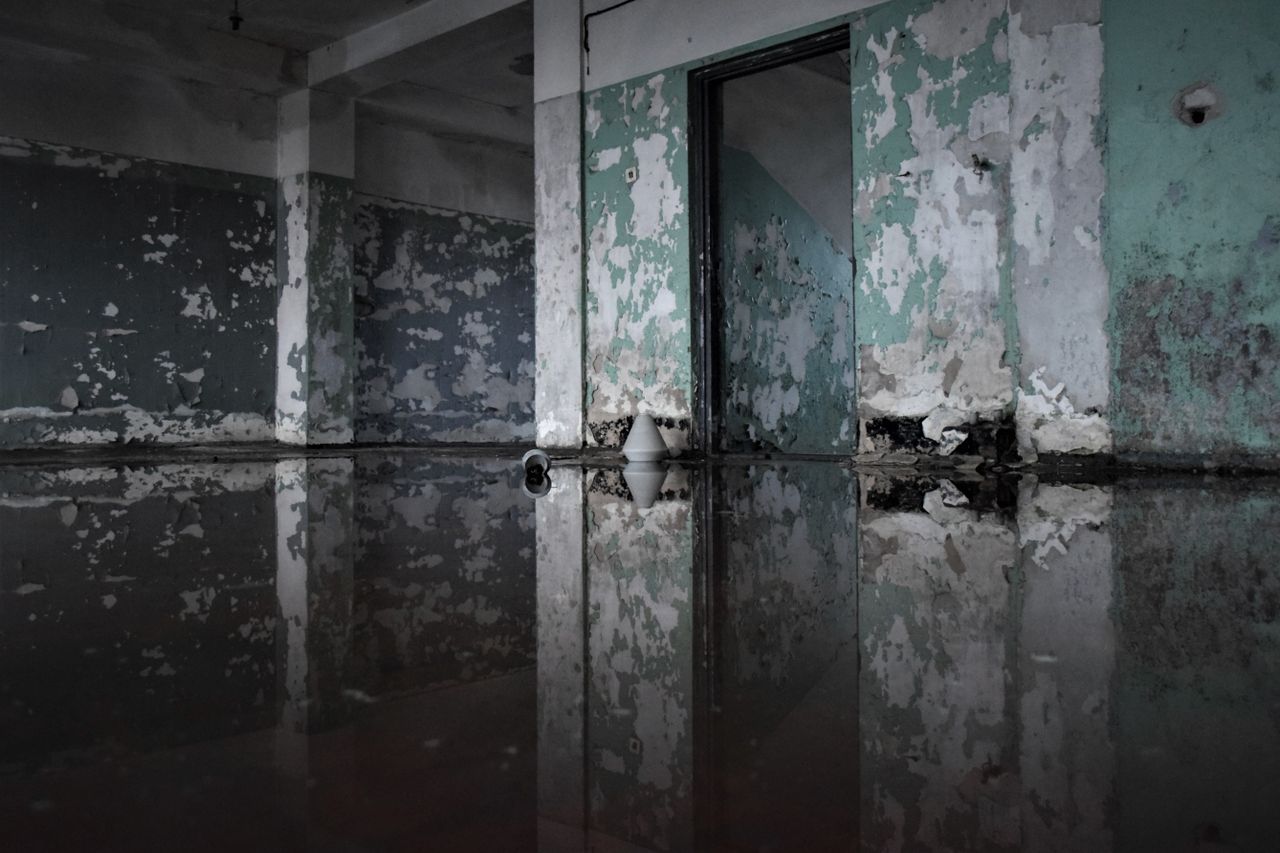
Water damage is one of the most common reasons homeowners file insurance claims. A burst pipe, overflowing appliance, or severe storm can cause significant damage in just a matter of hours. While insurance may help in many situations, coverage depends on the cause of the damage and the specific terms of your policy.
Understanding how water damage claims generally work can help homeowners respond more effectively and begin the rebuilding process sooner.
At PKI Developments, we help homeowners in Columbus rebuild and restore their homes after water damage with quality craftsmanship and dependable service.
When Water Damage Is Commonly Covered
Insurance policies often cover sudden and accidental water damage.
Examples may include:
- Burst plumbing pipes
- Accidental appliance leaks
- Water heater failures
- Overflowing washing machines
- Sudden roof damage caused by storms
Coverage depends on your individual policy, so it’s important to review the details with your insurance provider.
Situations That May Not Be Covered
Some types of water damage are commonly excluded if they result from preventable maintenance issues.
Examples can include:
- Long-term plumbing leaks
- Neglected roof maintenance
- Gradual water intrusion
- Lack of routine home maintenance
Flooding from rising water outside the home also typically requires separate flood insurance.
Why Immediate Action Is Important
Whether insurance covers the damage or not, acting quickly helps reduce additional problems.
Prompt action can:
- Limit structural damage
- Reduce the risk of mold growth
- Protect personal belongings
- Minimize reconstruction costs
Delaying repairs often leads to more extensive damage.
Document Everything
Before beginning cleanup, document the affected areas.
Take photographs of:
- Floors
- Walls
- Cabinets
- Furniture
- Appliances
- Visible water
Keep receipts for emergency expenses and any temporary repairs you make.
Good documentation can make the claims process smoother.
Schedule a Professional Inspection
Some water damage isn’t visible.
Moisture can remain trapped:
- Behind drywall
- Beneath flooring
- Inside insulation
- Around framing
Professional inspections help identify hidden damage before it becomes a larger issue.
The Reconstruction Process
After the affected area has been dried and assessed, reconstruction may include:
- Drywall replacement
- Flooring installation
- Cabinet repairs or replacement
- Interior painting
- Trim installation
- Structural repairs
The goal is to restore both the appearance and functionality of your home.
Prevent Future Water Damage
Preventive maintenance reduces the likelihood of future problems.
Helpful maintenance tasks include:
- Inspect plumbing connections regularly
- Replace worn appliance hoses
- Clean gutters and downspouts
- Check roofing after storms
- Monitor areas around water heaters
Routine inspections can help identify issues before they become emergencies.
Choosing a Reliable Reconstruction Contractor
When selecting a contractor after water damage, choose a company that offers:
- Clear communication
- Quality workmanship
- Reliable scheduling
- Experience with residential reconstruction
- Transparent estimates
A trusted contractor can help restore your home efficiently while minimizing additional disruption.
Water Damage Rebuild Services in Columbus
At PKI Developments, we provide professional water damage rebuild services for homeowners throughout Columbus. From repairing damaged drywall and flooring to rebuilding entire rooms, our team is committed to restoring your home with care and attention to detail.
If your property has experienced water damage, contact us today to schedule an inspection and discuss your rebuilding options.
FAQ
Will insurance always cover water damage?
Coverage depends on the cause of the damage and the terms of your policy.
Can hidden water damage cause future problems?
Yes. Moisture trapped behind walls or under flooring can lead to structural damage and mold if not properly addressed.
How soon should reconstruction begin?
Once the affected area has been properly dried and assessed, reconstruction should begin as soon as practical to restore the home and prevent additional deterioration.