
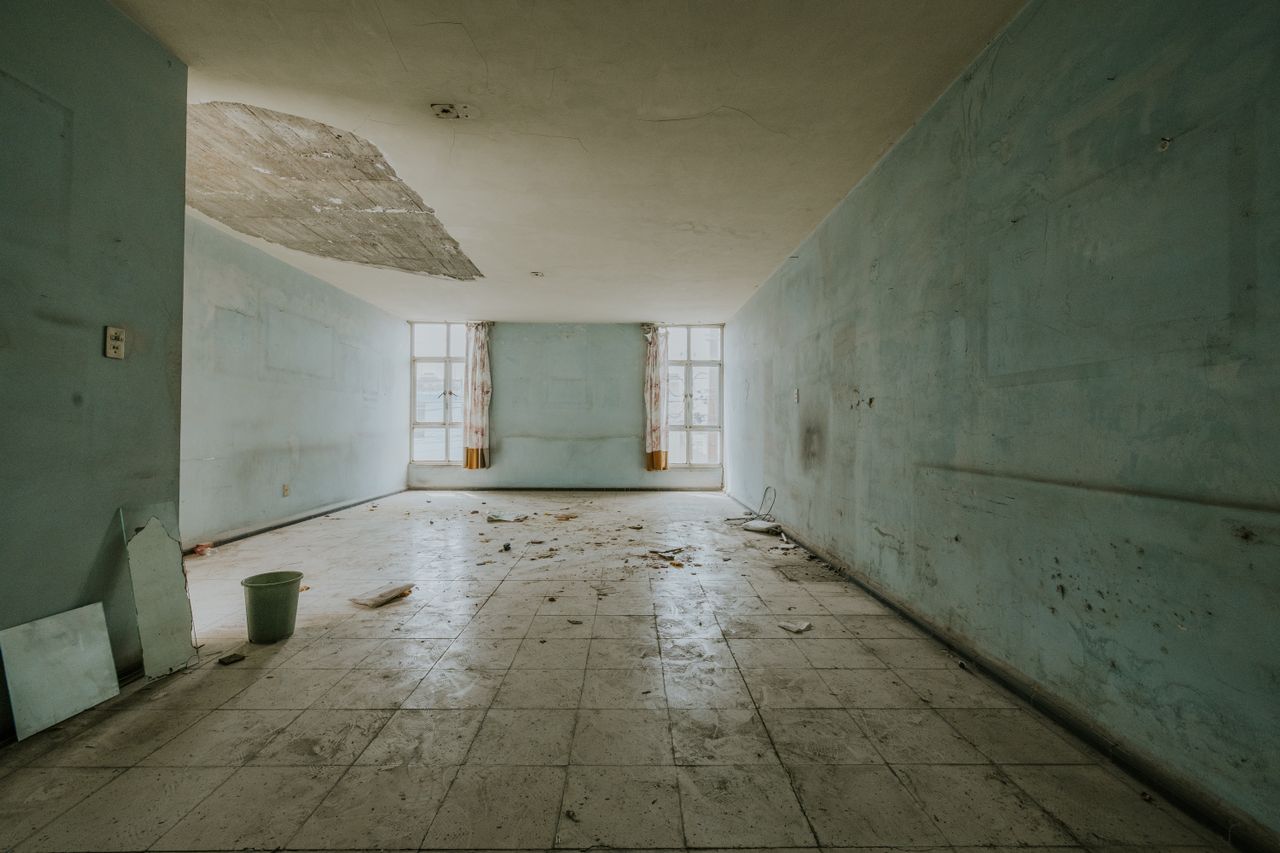
Water damage isn’t always obvious. While a burst pipe or flooded basement demands immediate attention, many homeowners don’t realize that water can slowly damage a home for weeks or even months before visible signs appear. Hidden leaks behind walls, beneath flooring, or inside ceilings can quietly weaken your home’s structure, create unpleasant odors, and eventually require extensive reconstruction. In this blog you will learn how to identify Hidden Water Damage.
The good news is that identifying the early warning signs can help minimize damage and reduce repair costs. By recognizing the symptoms of hidden water damage, homeowners can take action before a small issue turns into a major renovation.
At PKI Developments, we provide professional Water Damage Rebuild Services for homeowners throughout Columbus, Bexley, Blacklick, Canal Winchester, Gahanna, Grandview Heights, Grove City, Groveport, Obetz, Pickerington, Reynoldsburg, and Whitehall. Our goal is to restore homes safely, efficiently, and with lasting quality.
Why Hidden Water Damage Is So Dangerous
Unlike obvious flooding, hidden water damage often goes unnoticed because it develops slowly. A tiny plumbing leak, a damaged roof, or poor window sealing can allow moisture to accumulate over time.
As water spreads through drywall, insulation, flooring, and wood framing, it can weaken building materials and create the perfect environment for mold growth. Because these problems develop gradually, homeowners may not realize there’s an issue until significant repairs are needed.
The sooner hidden water damage is identified, the easier and more affordable it is to restore your home.
1. Musty or Damp Odors
One of the first signs of hidden water damage is a persistent musty smell.
If a room smells damp even after cleaning, moisture may be trapped behind walls, beneath flooring, or inside cabinets. This odor often indicates that water has been present long enough for mold or mildew to begin developing.
Pay close attention to:
- Bathrooms
- Kitchens
- Laundry rooms
- Basements
- Areas around windows and doors
Ignoring unusual odors can allow hidden problems to worsen over time.
2. Discolored Walls or Ceilings
Water stains are among the most recognizable indicators of a leak.
Look for:
- Yellow stains
- Brown discoloration
- Dark spots
- Peeling paint
- Bubbling drywall
Even if the stain appears dry, it may indicate an active or previously unresolved leak that requires inspection.
3. Peeling Paint or Wallpaper
Moisture weakens the bond between paint, wallpaper, and drywall.
If you notice paint bubbling, cracking, or peeling without an obvious cause, hidden water damage may be affecting the wall behind the surface.
Wallpaper may begin lifting at the seams or develop bubbles as moisture accumulates underneath.
4. Soft or Warped Flooring
Water doesn’t always remain in one location. It often travels beneath flooring before becoming visible.
Watch for:
- Soft spots
- Loose flooring
- Warped hardwood
- Buckling laminate
- Cracked tile caused by movement underneath
Walking across a floor that feels spongy or uneven should never be ignored.
5. Cabinet Damage
Kitchen and bathroom cabinets are frequently exposed to plumbing leaks.
Signs of hidden moisture include:
- Swollen cabinet bases
- Soft wood
- Peeling finishes
- Mold around sink cabinets
- Loose cabinet panels
Checking beneath sinks every few months can help identify slow leaks before they cause significant damage.
6. Higher Water Bills
An unexplained increase in your monthly water bill may indicate a hidden plumbing leak.
Small leaks behind walls or beneath floors can waste hundreds of gallons of water over time while causing damage you cannot see.
If your water usage hasn’t changed but your bill continues to increase, it’s worth investigating.
7. Mold Growth
Mold requires moisture to grow.
If mold appears on walls, ceilings, trim, or around windows, it’s important to determine whether hidden water damage is contributing to the problem.
Even small patches of mold can indicate a larger moisture issue inside the wall or ceiling.
Prompt repairs help reduce further damage while improving indoor air quality.
8. Cracks in Drywall
Although drywall cracks can occur naturally as homes settle, cracks accompanied by water stains or soft walls should be inspected.
Moisture weakens drywall, causing it to sag, separate, or crack over time.
Professional evaluation helps determine whether water damage is the underlying cause.
9. Damaged Baseboards and Trim
Baseboards often absorb moisture before homeowners notice other signs.
Inspect for:
- Swelling
- Warping
- Paint separation
- Soft wood
- Gaps between trim and walls
These issues commonly indicate water intrusion behind the finished surfaces.
10. Roof and Attic Warning Signs
Not all water damage begins inside the home.
Roof leaks frequently allow water to enter attic spaces before reaching ceilings.
Look for:
- Damp insulation
- Water stains on rafters
- Visible daylight through the roof
- Mold on wood framing
Regular roof inspections can help prevent expensive interior reconstruction.
What Should You Do If You Notice These Signs?
If you suspect hidden water damage, avoid waiting to see if the problem improves on its own.
Instead:
- Identify the possible water source.
- Shut off the water supply if necessary.
- Document visible damage with photographs.
- Avoid covering up damaged materials with paint or flooring.
- Contact a professional reconstruction contractor.
Early action often reduces repair costs and prevents additional structural damage.
Why Professional Water Damage Reconstruction Matters
Repairing visible damage is only part of the solution.
Professional water damage rebuild services focus on restoring the affected area after the source of the water has been addressed. Depending on the extent of the damage, reconstruction may include:
- Drywall replacement
- Flooring installation
- Cabinet replacement
- Trim and molding installation
- Painting and finishing
- Structural wood repairs
A complete rebuild ensures your home is restored safely, functionally, and with attention to detail.
Water Damage Rebuild Services Throughout Central Ohio
At PKI Developments, we understand how stressful water damage can be for homeowners. Our experienced team provides dependable water damage rebuild services throughout Columbus, Bexley, Blacklick, Canal Winchester, Gahanna, Grandview Heights, Grove City, Groveport, Obetz, Pickerington, Reynoldsburg, and Whitehall.
Whether you’re rebuilding a single room or restoring larger portions of your home, we’re committed to delivering quality workmanship and excellent customer service every step of the way.
Contact PKI Developments today to schedule a consultation and let us help restore your home with confidence.
Frequently Asked Questions
Can hidden water damage become a serious problem?
Yes. Hidden leaks can weaken structural materials, damage flooring and drywall, and create conditions that allow mold to develop if left untreated.
How can I tell if a leak is behind a wall?
Signs may include musty odors, peeling paint, discoloration, soft drywall, or an unexpected increase in your water bill.
Does every water leak require reconstruction?
Not always. Minor leaks may only require small repairs, while more extensive damage may involve replacing drywall, flooring, cabinets, or other building materials.
How often should I inspect my home for water damage?
It’s a good idea to inspect areas around plumbing fixtures, windows, roofing, and appliances several times a year, especially after heavy storms or freezing weather.