
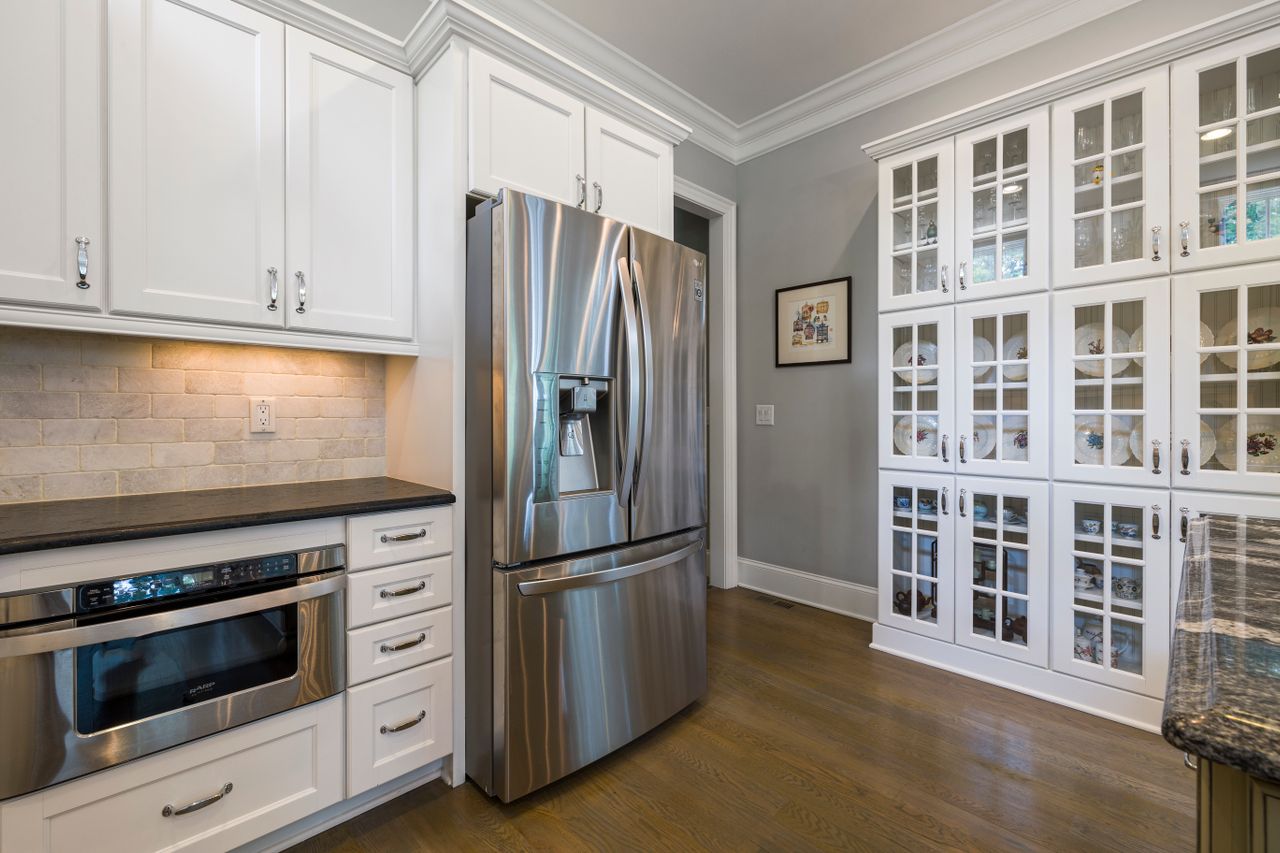
A kitchen remodel is one of the most exciting home improvement projects you can undertake. Whether you’re upgrading an outdated space, improving functionality, or increasing your home’s value, one question almost every homeowner asks before getting started is, “How long will my kitchen remodel take?”
The answer depends on several factors, including the size of your kitchen, the complexity of the design, material availability, and whether structural or plumbing changes are involved. While every project is unique, understanding the typical timeline helps you set realistic expectations and prepare your home for the renovation process.
At PKI Developments, we help homeowners throughout Columbus, Gahanna, Grove City, Pickerington, Reynoldsburg, and surrounding communities complete kitchen remodeling projects with careful planning, clear communication, and quality craftsmanship.
Phase 1: Planning and Design
Every successful remodel begins with proper planning.
During this stage, you’ll work with your contractor to discuss your goals, preferred layout, storage needs, and design ideas. This is also the time to establish a budget and select the materials that best fit your vision.
Planning often includes:
- Discussing your lifestyle and cooking habits
- Measuring the existing kitchen
- Reviewing layout options
- Selecting cabinets, countertops, flooring, and fixtures
- Finalizing the project scope
Taking time during the planning stage helps prevent costly changes once construction begins.
Phase 2: Material Selection and Ordering
Once the design is finalized, materials need to be ordered.
Cabinets, countertops, appliances, lighting, flooring, and hardware all have different lead times. Some products may be readily available, while custom cabinetry or specialty finishes can require additional time.
Ordering materials before demolition begins helps reduce delays later in the project.
Phase 3: Preparing the Home
Before work starts, homeowners should prepare the space.
Helpful preparations include:
- Removing dishes and cookware
- Clearing countertops
- Packing small appliances
- Protecting nearby furniture
- Creating a temporary kitchen for daily meals
These steps help construction crews work more efficiently while minimizing disruption to your household.
Phase 4: Demolition
Demolition is often the fastest phase of the project, but it’s also when hidden issues may be discovered.
Contractors remove existing cabinets, countertops, flooring, and fixtures while inspecting the condition of the underlying structure.
Occasionally, older homes reveal water damage, outdated wiring, or plumbing issues that need to be addressed before new materials can be installed.
Although these discoveries may slightly extend the project timeline, resolving them ensures your remodeled kitchen is built on a safe and reliable foundation.
Phase 5: Plumbing and Electrical Updates
If your remodel includes relocating sinks, adding lighting, or installing new appliances, plumbing and electrical systems may require modifications.
These improvements help your new kitchen function efficiently while supporting modern appliances and lighting.
Keeping your existing layout generally reduces both costs and installation time.
Phase 6: Flooring, Cabinets, and Countertops
Once the rough work is complete, the transformation becomes visible.
This stage often includes:
- Installing flooring
- Setting cabinets
- Measuring for countertops
- Installing countertops once fabricated
Because countertops are often custom-made after cabinets are installed, there may be a short waiting period before final installation.
Phase 7: Finishing Touches
The final stage includes the details that bring the kitchen together.
These may include:
- Installing cabinet hardware
- Painting
- Installing backsplash tile
- Mounting light fixtures
- Connecting appliances
- Final plumbing connections
Your contractor will also inspect the completed work to ensure everything functions properly before the project is finished.
What Can Delay a Kitchen Remodel?
While many projects stay on schedule, several factors can affect the timeline.
Common causes include:
- Material backorders
- Design changes during construction
- Hidden water damage
- Structural repairs
- Permit or inspection delays
- Custom product manufacturing
Choosing materials early and finalizing design decisions before construction begins helps reduce these risks.
How Homeowners Can Help Keep the Project on Schedule
Homeowners play an important role in keeping remodeling projects moving efficiently in Gahanna.
You can help by:
- Selecting materials early
- Making design decisions before construction begins
- Keeping work areas accessible
- Responding quickly to contractor questions
- Avoiding last-minute changes whenever possible
Clear communication between homeowners and contractors helps prevent unnecessary delays.
Why Planning Matters
Kitchen remodeling is a significant investment, and careful planning makes the experience far more enjoyable.
Working with an experienced remodeling contractor allows you to understand each stage of the project, anticipate potential challenges, and enjoy a smoother renovation from beginning to end.
Kitchen Remodeling Throughout Central Ohio
At PKI Developments, we proudly provide professional kitchen remodeling services for homeowners in Columbus, Bexley, Blacklick, Canal Winchester, Gahanna, Grandview Heights, Grove City, Groveport, Obetz, Pickerington, Reynoldsburg, and Whitehall.
Whether you’re updating a small kitchen or planning a complete renovation, our team is committed to delivering quality craftsmanship and exceptional customer service.
If you’re ready to transform your kitchen, contact PKI Developments today to schedule your consultation.
Frequently Asked Questions
How long does a typical kitchen remodel take?
The timeline depends on the scope of the project, but planning, material availability, and any structural or plumbing changes all influence the overall schedule.
Can I stay in my home during a kitchen remodel?
Yes. Most homeowners remain in their homes during the renovation, although setting up a temporary kitchen can make daily life much easier.
What is the biggest cause of remodeling delays?
Material availability and unexpected issues discovered during demolition are two of the most common reasons projects take longer than expected.
Is it better to replace everything at once?
Completing all planned updates during one remodeling project is often more efficient than making improvements in multiple stages.